The Paradox of Choice
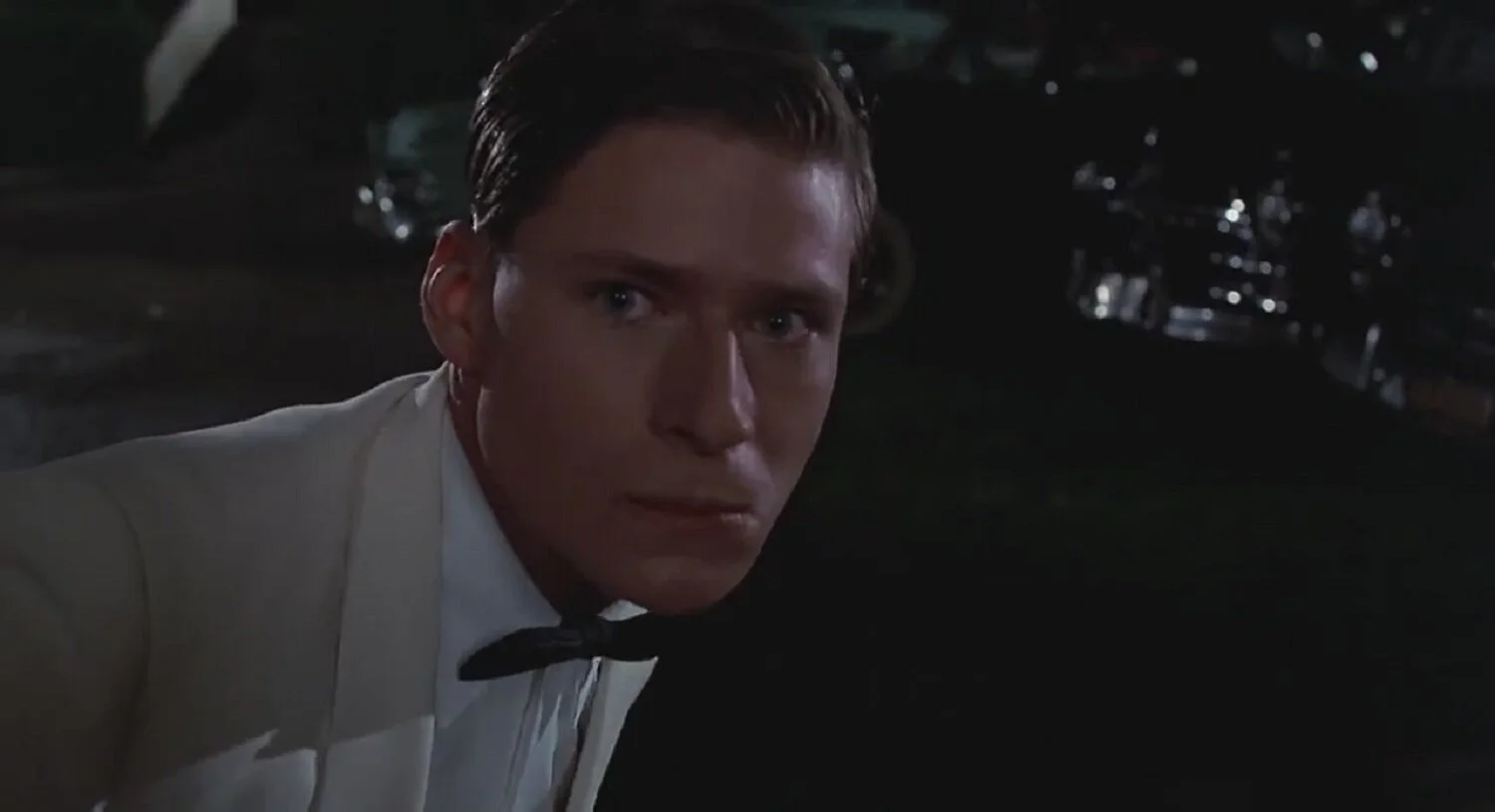
Sometimes life appears to present us with a fork in the road. A pivotal moment which might completely change the course of the future. A choice.
It was this sense of gravity that made Back to the Future such a thrill to watch. It made us feel like heroes; our lives were important and well, anything could happen. It reminded us that seemingly insignificant actions can be the beginning of something huge. Just think of the scene when George (Marty’s future dad) punches Biff and saves Lorraine (Marty’s future mum). The whole movie is the story of the everyday dude becoming a hero, and saving the world from a dystopian future.
Then there’s the other side. The moments when life takes on a surreal layer of lightness or strangeness. It’s as if we’re standing on the stage but watching it all play out - involved and at the same time, distant observers. Like Neo in the Matrix, waiting to wake up to some truth that will explain it all. We know in our minds that what’s going on should be real and important but not quite feeling it in our gut. The clock ticks and things happen. Days come and go, some things change and some things stay the same.
So which is it then? Are we active players in a game of our own design or are we merely spectators on the rollercoaster of fate? Or perhaps there’s a third option, where we look into the implications of the question, rather than answering it on its own level…
What if that the fork in the road is a made up idea, reducing the present and future to a binary system of “this or that” / “one or the other”? The idea of a fork in the road creates a problem out of uncertainty, implying that the solution is to choose one path. Obviously only reason to deliberate would be if one was objectively better than the other. The reality is that we can never have enough information to know for sure.
The paradox of choice is that we want it only when we wish we could be somewhere else. How we feel about our options is not a matter of how numerous they are but simply a matter of perspective and relativity. They say comparison is the thief of joy. It certainly can be. Often, we conflate choice with freedom when in fact it is only comparison. If we really think about what makes something a choice, we notice that there can be no act of choosing without deliberation. I see this deliberation as nothing more than a hopeful hesitation - a search for more information which might reduce the burden of comparison. Doesn’t sound like a free spirit kinda situation to me. How in the world could we ever have enough information, let alone process enough information, to choose rightly? And who would be fit to assess the rightness of that action other than the future self, having experienced the outcome?
There’s a great Zen story that has been floating around for a long time:
One day, an old farmer’s horse escaped into the hills. When the farmer's neighbours sympathised with the old man over his bad luck, the farmer replied, "Bad luck? Good luck? Who knows?"
A week later, the horse returned from the hills with a whole herd of horses. This time the neighbours congratulated the farmer on his good luck. His reply was, "Good luck? Bad luck? Who knows?"
Later, when the farmer's son was attempting to tame one of the wild horses, he fell off and broke his leg. Everyone thought this to be very bad luck. Not the farmer, whose only reaction was, "Bad luck? Good luck? Who knows?"
Weeks later, the army marched into the village and conscripted every able-bodied youth they found there. When they saw the farmer's son with his broken leg, they let him off.
We could go on forever with this one, but the lesson is clear.
When we truly understand this, we can let go of the overthinking which clouds our experience of the moment. The future is simply what we make of it. We can even decide not to make anything of it, rather to be here, now.