The Holy Trinity of Flexibility
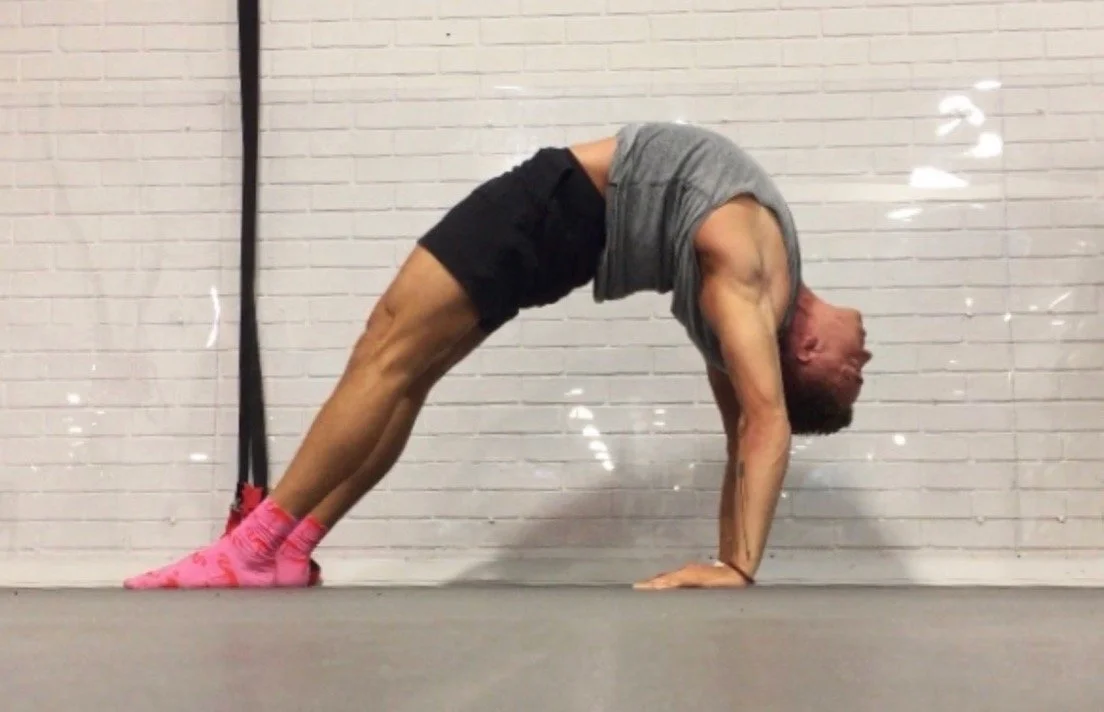
No matter your level of experience in training, these are three things you must do if you want to gain serious flexibility in a way that both feels good for your body and leads to more freedom of movement.
Relaxing to observe sensations
To begin any session, but especially a flexibility session, it really helps to slow down and mentally take a step back from your expectations. Rather than commanding your body into a position, explore and ‘listen to what your body says’. Relaxing helps this process unfold smoothly.
In order to get flexible, you must create a communicative relationship with your body. Working on your hamstring range? Imagine your hamstrings are your significant other. Are you likely to win them over if you shout? No. So ask a question, observe the answer and then evaluate.
First, the question. Asking “can I touch my toes today?” doesn’t really give us the answer we need. I bet you could touch your toes if Dwayne Johnson physically forced you to. A better question is “how could I see if I can touch my toes and respect my body’s limitations today?”
Then observe. When you start stretching, what sensory feedback are you getting? Pain? Discomfort? A stretch? But what kind of pain/discomfort/stretch? Be specific. The point is not to rush to answer, but to sincerely listen and understand your body’s response to the stimulus.
The evaluate. Based on the information you now have (your body’s response to the question, or task), what strategy or attitude change should you make? Do you need to increase the effort or loading? Do you need to back off and be patient? Do you need to relax a little more?
2. Creating space for bones to move
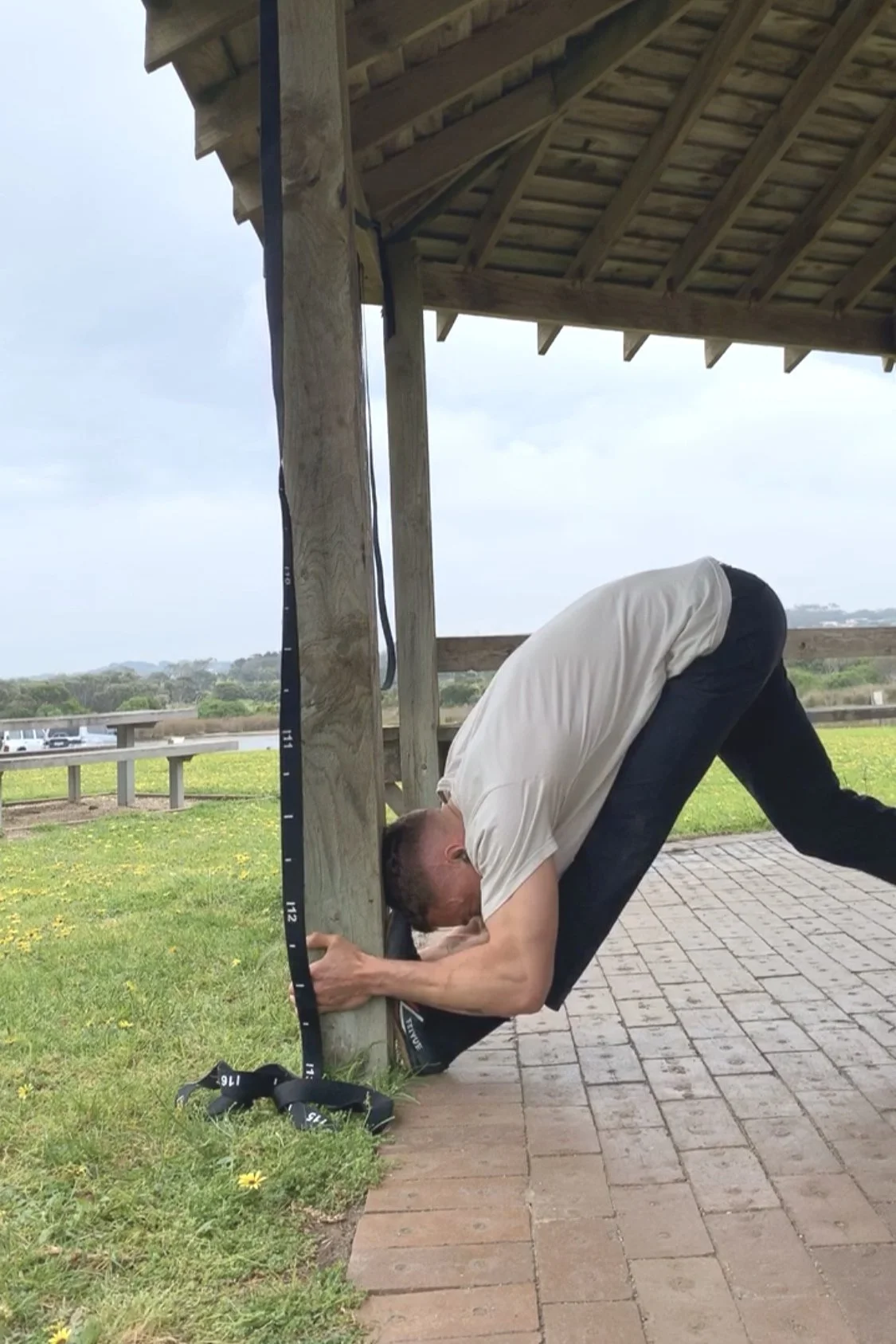
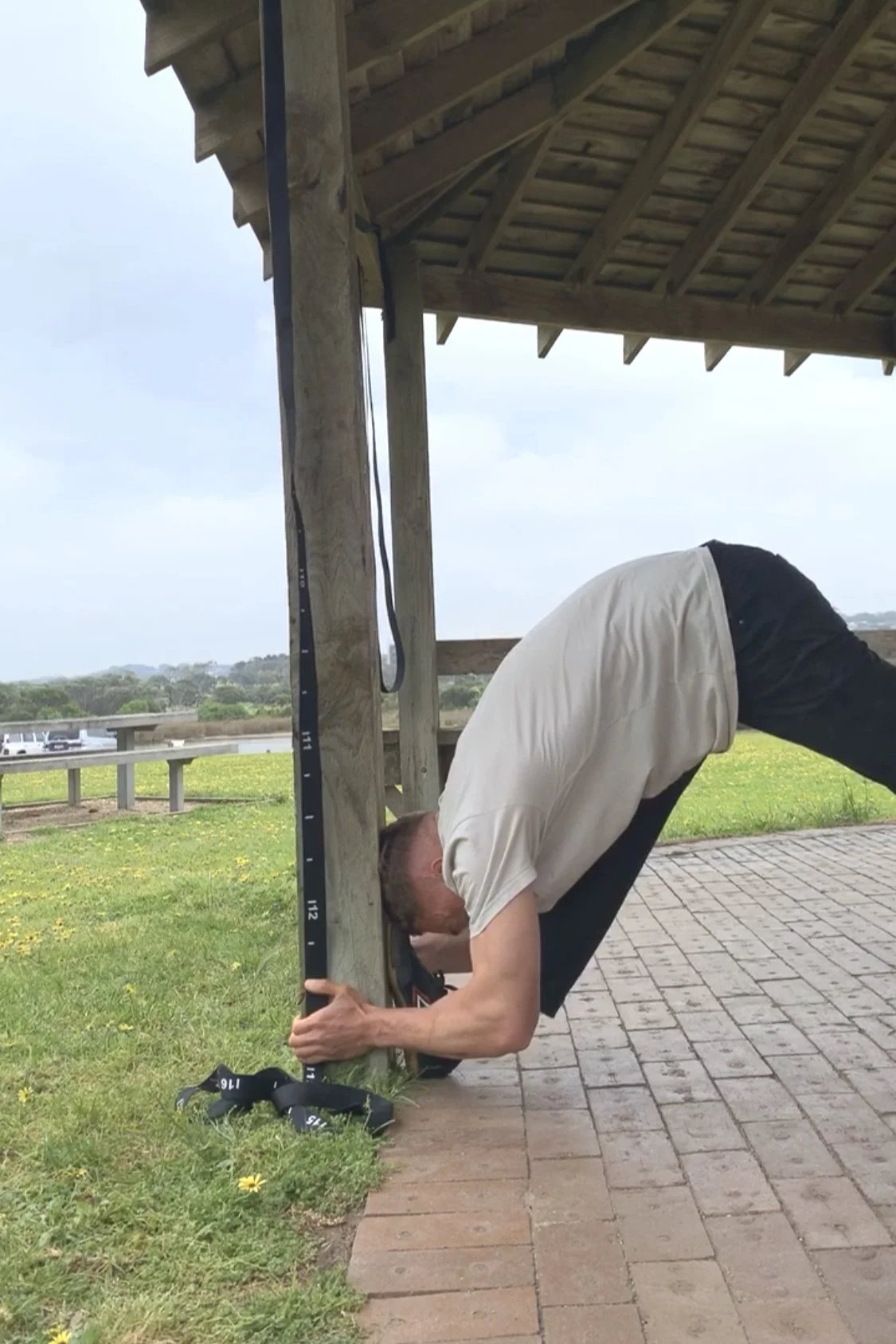
The fact is, getting flexible isn’t just about muscles. It’s very important to understand how the bones need to move to get from posture A to B. If you repeatedly push your bones or connective tissues to move in a direction that is anatomically impossible, you will likely injure yourself.
Relaxing to observe sensations will help you not to push against bony resistance, and to instead explore the directions in which your body can move. Obviously, knowledge of functional anatomy is necessary here. Your options are: hire a coach, seek education or trial and error.
As a general rule, stretching and mobility training should not be painful. Pain will cause the nervous system to react by stiffening up, in order to protect itself from the threat of injury. Usually, if your bones are in the right place, you’ll usually feel satisfying discomfort rather than pain.
Remember, flexibility requires mutual trust between you and your body - otherwise you will never be able to bypass the stiffening protective response. I would not recommend pushing through pinching, clunking or repetitively clicking situations. Things feel smoother when they’re working.
And if your coach gives you an exercise or stretch that isn’t working for you, don’t be afraid to say so. Coaches can’t feel what you feel, and personally, I’d be glad that a client is communicating with me to ask for clarification. And if your coach is not open to explaining, find a new one.
Here’s one way to have this conversation:
Ask for clarity: “What is the intended outcome of this movement, stretch or exercise?
Explain sensation: “When I do this, I feel a ____ sensation in my ____ - is this correct?
Re-orient: “What kind of sensations would indicate that this movement is working for me?”
3. Increasing end range strength
Picture two people. One can touch his toes with assistance and a 30 minute warm up, and the other can touch his toes with no warm up whatsoever, and not only that - he can also lift some weight off the floor. The difference between form and function is end range strength.
To put it simply, I often use this mantra: “Strength equals safety. Safety equals range.”
The common way to stretch the hamstrings is to fold forward or use the help of a strap or partner to go deeper than you can by yourself. After relaxing and holding for 30-90 seconds, you feel more free in this range. This is known as passive stretching. It can either be static or dynamic.
Passive stretching seems so effective not because the muscles are adapting (the timeframe would be too short for that) but because the nervous system is only temporarily relaxing. But we want permanent results. We need the nervous system to remember, so we need more strength.
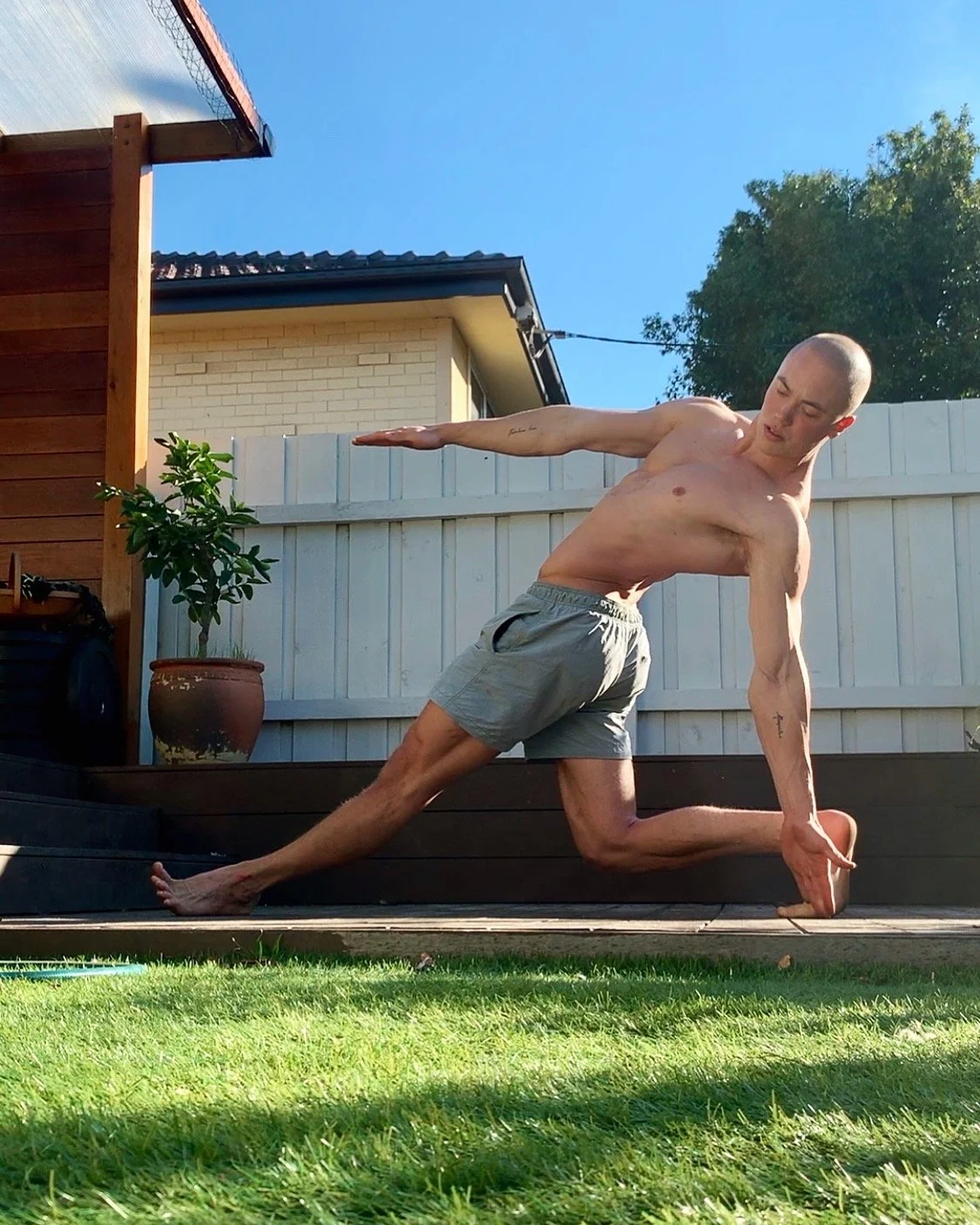
Gaining strength takes longer than half an hour… in fact, it can take months. But when we build strength through active stretching, using intense muscular contraction, we train our nervous system to feel safer at our body’s end ranges of motion. And we get to keep this range.
So, we teach the body that moving into a deep forward fold (for example) is safe, by learning efficient movement patterns and strengthening all the muscles providing support and control within that range of motion. To do this, we gradually increase the loading, like any other exercise.
So if the goal is to touch the toes, we start by training the calves, hamstrings and back in a lengthened position (long range strength). Then we the opposite muscles - the quads, hip flexors and abs while in a similar position (short range strength). We’ve thoroughly trained the end range!
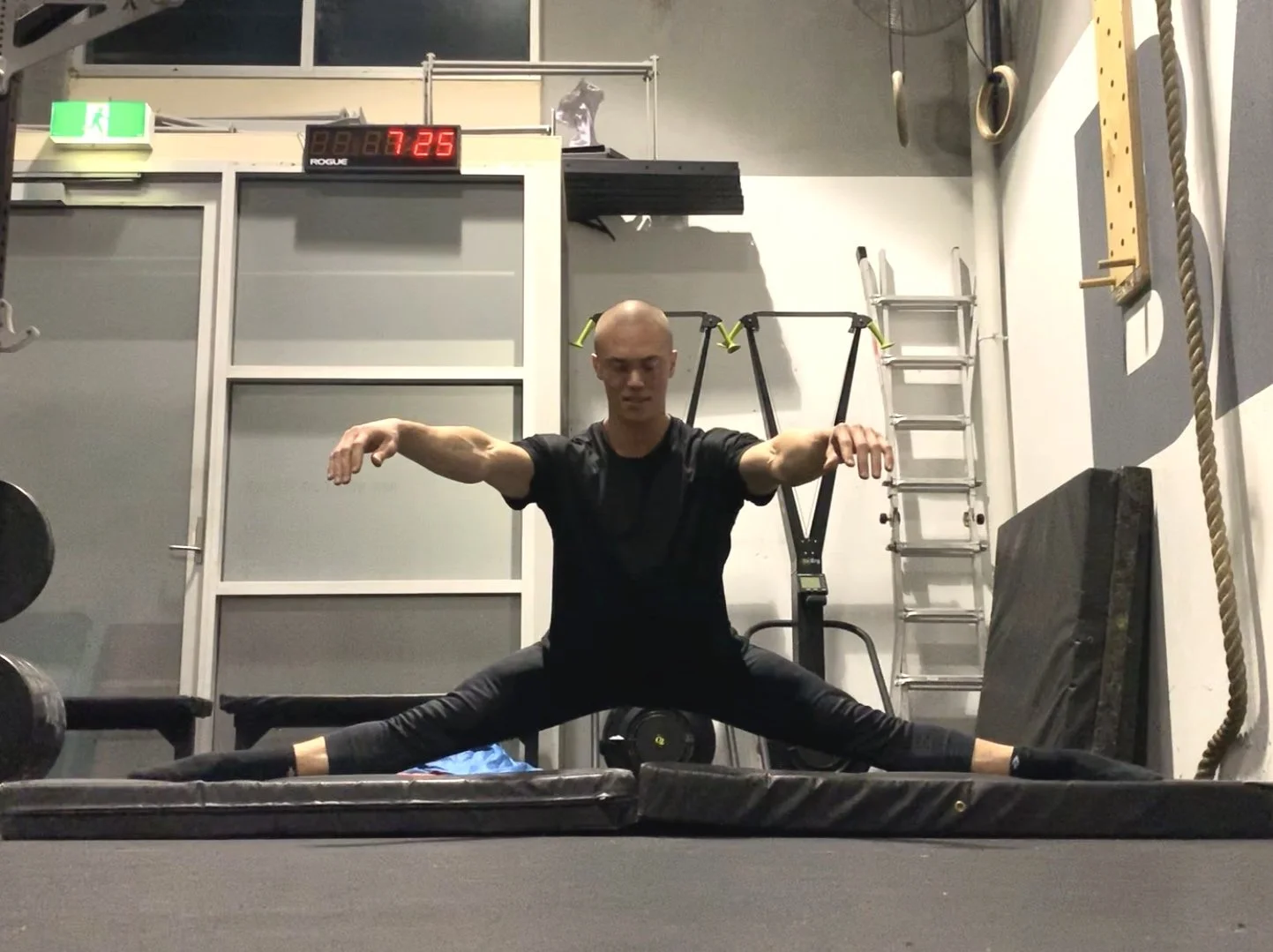
I hope this helps. To sum it up, the three things you must do if you want to get seriously flexible are:
Relax and observe sensations - listening to what your body is telling you
Create space for bones to move - a felt understanding of your own anatomy
Increase end range strength - training your body to be safe in new positions
Happy training!
Jack